
How to Get Rid of Ants Naturally in Your Home
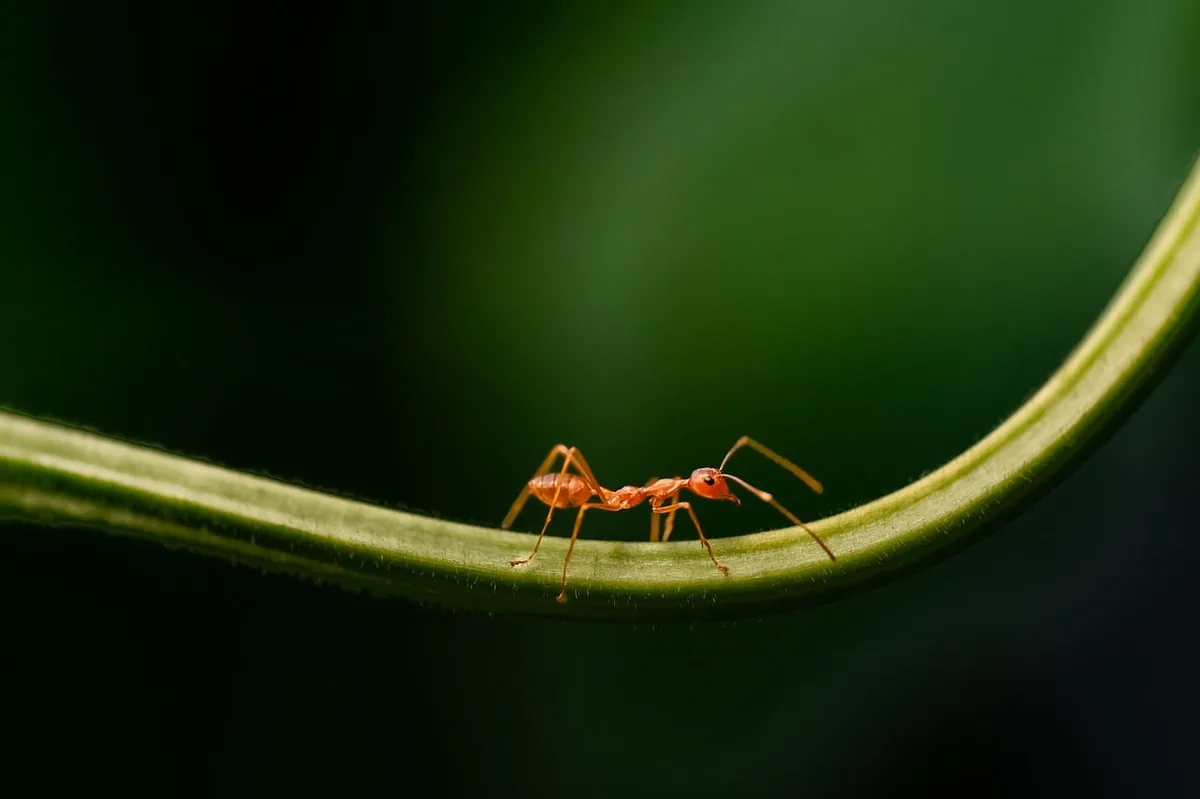
Finding a line of ants marching across the kitchen counter is one of the most common household annoyances, and it is easy to reach for a strong spray. Yet most ant problems can be solved with simple, natural methods that target the causes rather than just the insects you see. Good natural pest control starts with understanding why ants came inside in the first place: they are following food, water and shelter. If you remove those attractions and block their entry points, the trails usually stop within a few days to a couple of weeks.
Understand What Attracts Ants
Ants do not wander into a home at random. Scout ants search for food and water, and when one finds a good source, it leaves a chemical trail that guides the rest of the colony. This is why a single ant on a windowsill can quickly become a steady stream. Common attractions include crumbs, sticky residue, pet food, damp sink areas, leaky pipes and sweet drinks left out overnight.
Different ants prefer different things. Sweet-loving species such as odorous house ants are drawn to sugary foods, while grease-eating or protein-seeking species may head for meat scraps, pet food or fatty residue. Identifying what the ants are after helps you choose the right fix.
Clean and Remove Food Sources
Cleaning is the foundation of any natural approach. Wipe counters, stovetops and floors each day, paying attention to the edges of cabinets and under appliances where crumbs collect. Use warm water mixed with a little mild dish soap, or a solution of equal parts water and white vinegar, which breaks down the trail scent so that other ants are less likely to follow it.
- Store sugar, honey, syrups and grains in sealed glass or hard plastic containers.
- Rinse cans and bottles before recycling, and take out trash regularly.
- Keep pet food bowls off the floor overnight, or place them in a shallow tray of water to form a moat.
- Wipe up spilled drinks immediately, especially sugary ones.
- Fix leaking faucets and wipe dry the area under sinks.
Seal Entry Points
Once the food supply is under control, close the doors ants use to enter. Walk around the outside of your house and look for cracks around window frames, gaps where pipes or cables enter the walls, damaged door sweeps and spaces where the foundation meets the siding. Fill small cracks with silicone caulk or a suitable exterior sealant, and replace worn weatherstripping on doors and windows.
Inside, check behind appliances, along baseboards and around kitchen and bathroom fixtures. Sealing these gaps not only stops ants but also keeps out other small pests, which makes this step valuable well beyond a single ant problem.
Use Natural Baits and Deterrents
Borax and sugar baits
Borax-based baits are a well-known homemade option. A common approach mixes a small amount of borax with sugar and water to form a thick syrup, then places it on small pieces of cardboard or in shallow lids near ant trails. Worker ants carry the bait back to the colony, where it works more slowly than a spray and can reach the nest. Borax is toxic if swallowed, so keep it far away from children and pets, place baits out of reach, and avoid using it where food is prepared.
Botanical pesticides and repellents
Botanical pesticides are derived from plants and are generally considered a gentler option than synthetic sprays, though they are not harmless to all life and should still be used carefully. Products based on neem oil or pyrethrum can affect ants on contact and are sometimes used for direct treatment of visible insects. Essential oils such as peppermint, citrus or tea tree are often suggested as repellents. They can help discourage ants from crossing a treated surface for a short time, but they do not eliminate a nest and must be reapplied often. Test any product on a small hidden area first, and follow the label instructions.
Natural barriers
Some people sprinkle substances such as diatomaceous earth, cinnamon or chalk along thresholds and window sills to act as physical or scent barriers. Their effect is limited and they lose strength when wet, so treat them as a supplement rather than a complete solution. Food-grade diatomaceous earth should be kept dry and reapplied after cleaning.
Apply Integrated Pest Management Thinking
Integrated pest management, often called IPM, combines several methods instead of relying on one. The core idea is to prevent problems, monitor for them and use the least disruptive control that works. For ants, a practical IPM routine looks like this:
- Identify the ant species and where they are coming from.
- Remove food, water and shelter that attract them.
- Seal cracks and gaps that serve as entry points.
- Place baits near trails rather than spraying them, so the whole colony can be reached.
- Check the area every few days and adjust your approach if the trail persists.
Patience matters. Killing the ants you see does little if the colony remains outside, and a nest can keep sending new workers for weeks. Avoid spraying bait stations or trails with harsh cleaners, since that can kill the foragers that would have carried poison back to the nest.
When Natural Methods Are Not Enough
If the ants persist after several weeks of consistent effort, or if you find large nests in walls, under floors or within insulation, the colony may be too large or too hidden for simple home remedies. Carpenter ants, for example, can damage wood, and their presence warrants prompt attention. A professional who uses low-impact, integrated methods can help identify the source and recommend a targeted plan. Ask about the products and techniques they plan to use so that the approach matches your preferences for a natural home.
